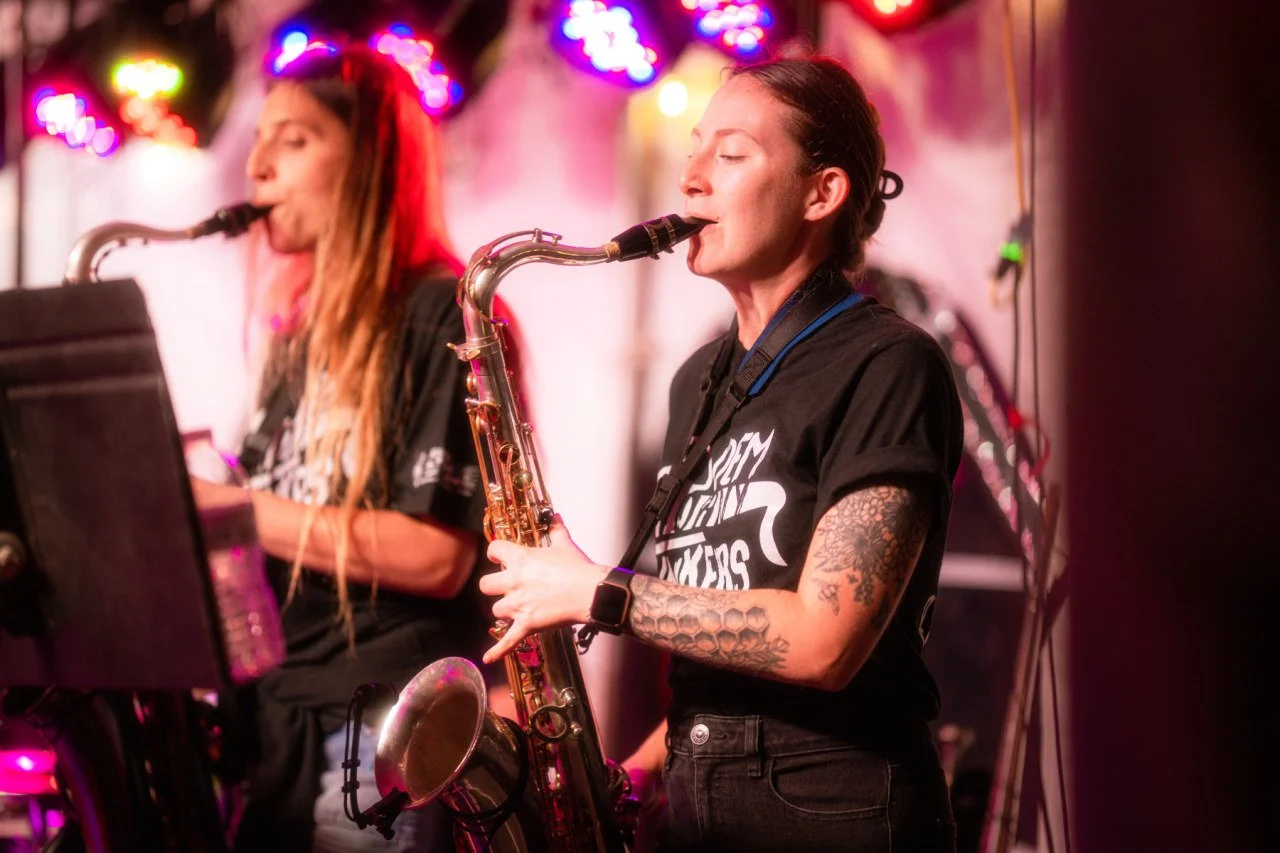
2022 Gala Recap & Gallery
Our 2022 Down on the Farm Charity Gala was an incredible success!
As a community, we raised over $52,000 for Living Water International.
Since 1990 Living Water International has completed nearly 20,000 water projects throughout the world! LWI exists to demonstrate the love of God by helping communities acquire desperately needed clean water and to experience “living water”—the gospel of Jesus Christ—which alone satisfies the deepest thirst. Through their holistic partnerships with in-country staff, local churches, and community leaders, LWI helps to provide sustainable, safe water access, improved hygiene behaviors, and implemented sanitation infrastructure to meet each region’s unique needs.
Quick Facts
Nearly 1 million people die each year due to a lack of safe drinking water
770 million people lack access to safe water
1 in 5 children lack access to safe water services
Women spend 200 million hours each day collecting water
To learn more visit: www.water.cc
Water Projects our Gala Funded in 2022
The LPMC community is located on the outskirts of Ganta, an urban city in Liberia with a growing population. The community used to rely on a series of hand-dug wells, but the water sources couldn't keep up with the demand. Not to mention, the water in the wells were exposed to surface contamination, leading to a risk of waterborne illness.
Chankanga Primary School in the Chipata WPA faced challenges in accessing safe water until Living Water International came to their aid. Dinala Zulu, the head teacher, came to the school in 2019. At that time, the school lacked abundant access to safe water.
The 135 residents of Fulla Town suffered from a brutal water crisis. The entire community relied on a stream in the brush for all of their needs. The water in the stream often dwindled in dry months. The task of collecting water required walking long ways from the homes and then carrying the heavy burdens of water home. This robbed the residents of time and energy every day.
The 160 residents of the Valle de los Lirios community in central Peru struggled against a pervasive and long-standing water crisis. For years, the community members relied on a nearby pond to supply enough water for their daily needs. The pond water was visibly contaminated with green algae, but residents had no choice but to use the water for drinking, cooking, cleaning, and bathing.
The 400 residents of the Pap Ndege community in eastern Kenya struggled to access safe water. They relied on a river for water, walking miles to reach the banks to collect water for drinking, cooking, bathing, and household chores. Oftentimes, parents tasked their children with the chore of gathering water as they couldn’t risk losing any of their hourly wages working as field hands.
The water crisis was a constant source of hardship for those living in the Kisiro 1 community. The community didn’t have a borehole, so the 345 residents had to rely on local ponds to supply their water. The women and children tasked with water collection had to make trips multiple times a day to collect the water they and their families needed for drinking, cooking, hygiene, and chores. It was time-consuming and exhausting.
The water crisis was a daily cause of pain and struggle for College la Délivrance. There was no water source on the premises of the school, and thus the students and teachers had to leave and walk through the community to find water. They frequently collected water from a hand-dug well, which required them to haul water with ropes and buckets. This was laborious and time consuming. Students lost invaluable time in the classroom to the task of drawing water.